
Preventative Plumbing Maintenance Tips for Your Home

Updated: Mar 3
Maintaining your home's plumbing system is essential to avoid costly repairs and inconvenient disruptions. Plumbing issues can arise unexpectedly, but with regular care and attention, many problems can be prevented. This guide offers practical and easy-to-follow plumbing maintenance tips that will help keep your pipes, fixtures, and appliances in excellent condition.
Essential Plumbing Maintenance Tips to Keep Your Home Running Smoothly
Proper plumbing maintenance is not just about fixing leaks when they happen. It involves proactive steps to ensure your system functions efficiently year-round. Here are some fundamental tips to help you maintain your plumbing:
Check for leaks regularly: Inspect faucets, pipes, and toilets for any signs of dripping or moisture. Even small leaks can waste water and increase your bills.
Clean drains frequently: Avoid clogs by removing hair, soap scum, and food particles from drains. Use a drain strainer to catch debris.
Monitor water pressure: High water pressure can damage pipes and fixtures. Use a pressure gauge to check and adjust if necessary.
Insulate pipes: Protect pipes from freezing during cold months by wrapping them with insulation sleeves.
Flush your water heater: Sediment buildup reduces efficiency and lifespan. Flush the tank annually to remove deposits.
By following these simple steps, you can extend the life of your plumbing system and avoid emergency repairs.

How to Prevent Common Plumbing Problems
Many plumbing issues stem from neglect or improper use. Understanding common problems and how to avoid them can save you time and money.
Avoiding Clogged Drains
Clogged drains are one of the most frequent plumbing complaints. They occur when debris accumulates and blocks water flow. To prevent clogs:
Do not pour grease or oil down the kitchen sink.
Use drain covers to catch hair and food scraps.
Avoid flushing non-flushable items like wipes or sanitary products.
Periodically flush drains with hot water and baking soda to break down buildup.
Preventing Pipe Corrosion and Leaks
Older pipes can corrode and develop leaks over time. To minimize this risk:
Schedule professional inspections for aging plumbing.
Replace galvanized steel pipes with modern materials like PEX or copper.
Avoid using harsh chemical drain cleaners that can damage pipes.
Maintaining Toilets and Fixtures
Toilets and fixtures require regular care to function properly:
Check the toilet flapper and fill valve for wear and replace if needed.
Tighten loose handles and fix running toilets promptly.
Clean aerators on faucets to maintain water flow.
These preventative measures help maintain your plumbing system’s integrity and performance.

Seasonal Plumbing Maintenance Tips
Different seasons bring unique challenges to your plumbing system. Adjusting your maintenance routine accordingly can prevent seasonal problems.
Winter Plumbing Care
Cold weather can cause pipes to freeze and burst, leading to severe damage. To protect your plumbing in winter:
Insulate exposed pipes in unheated areas like basements and attics.
Keep cabinet doors open under sinks to allow warm air circulation.
Let faucets drip slightly during extreme cold to prevent freezing.
Seal cracks and openings where cold air can enter.
Summer Plumbing Tips
Summer heat and increased water usage can strain your plumbing:
Check outdoor faucets and irrigation systems for leaks.
Inspect and clean sump pumps to prepare for heavy rains.
Avoid planting trees or shrubs near sewer lines to prevent root intrusion.
Seasonal maintenance helps you stay ahead of potential plumbing issues throughout the year.
DIY Plumbing Maintenance: What You Can Do Yourself
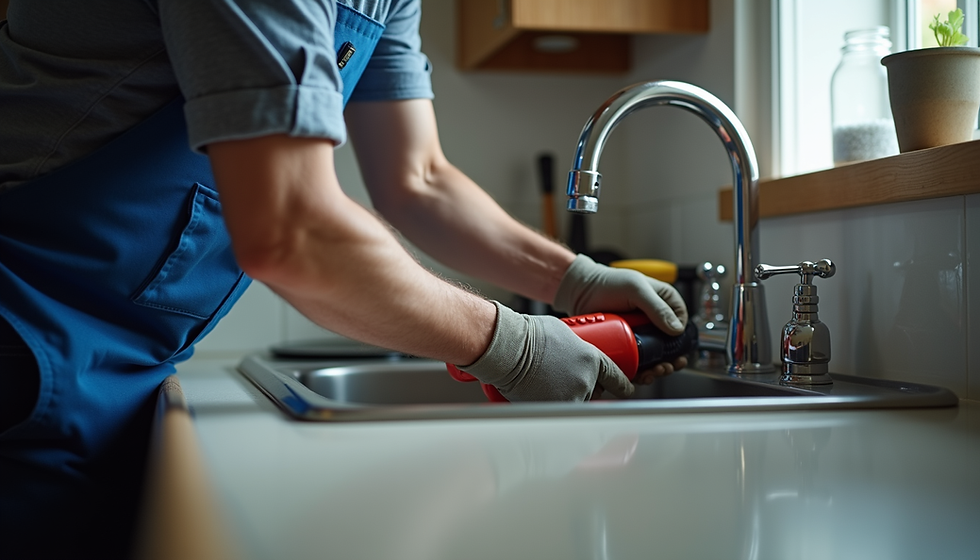
Many plumbing maintenance tasks are simple enough to handle without professional help. Here are some DIY tips to keep your system in good shape:
Clear slow drains: Use a plunger or a drain snake to remove minor clogs.
Replace faucet washers: Fix dripping taps by changing worn washers.
Test your water pressure: Purchase an inexpensive pressure gauge and adjust your pressure regulator if needed.
Clean faucet aerators: Unscrew and soak aerators in vinegar to remove mineral deposits.
Check your water meter: Monitor for hidden leaks by observing the meter when no water is in use.
While DIY maintenance can save money, know your limits. For complex issues or major repairs, always consult a licensed plumber.
When to Call a Professional Plumber
Despite your best efforts, some plumbing problems require expert attention. Recognizing when to call a professional can prevent further damage and costly repairs.
Persistent leaks that you cannot fix.
Water heater malfunctions or strange noises.
Sewage backups or foul odors from drains.
Major pipe bursts or flooding.
Installation of new plumbing fixtures or appliances.
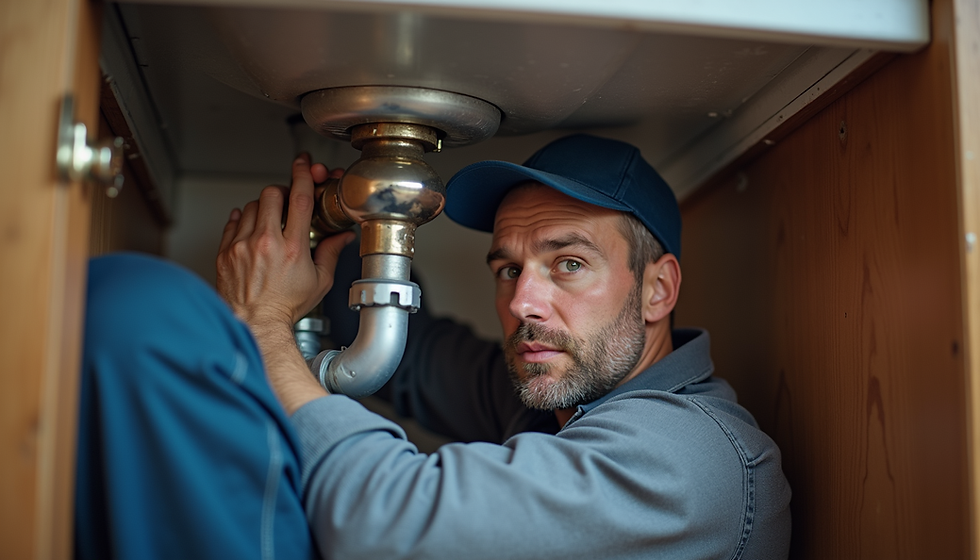
Professional plumbers have the tools and expertise to diagnose and resolve issues safely and efficiently.
By incorporating these preventative plumbing maintenance tips into your routine, you can protect your home’s plumbing system and enjoy peace of mind.
Keeping Your Plumbing System Healthy for Years to Come
Regular maintenance is the key to a reliable plumbing system. By staying vigilant and addressing minor issues early, you can avoid emergencies and extend the life of your pipes and fixtures. Remember to:
Schedule annual inspections.
Follow seasonal care guidelines.
Perform simple DIY tasks regularly.
Know when to seek professional help.
Taking these steps will ensure your home’s plumbing remains in top condition, saving you time, money, and stress in the long run.

Comments